
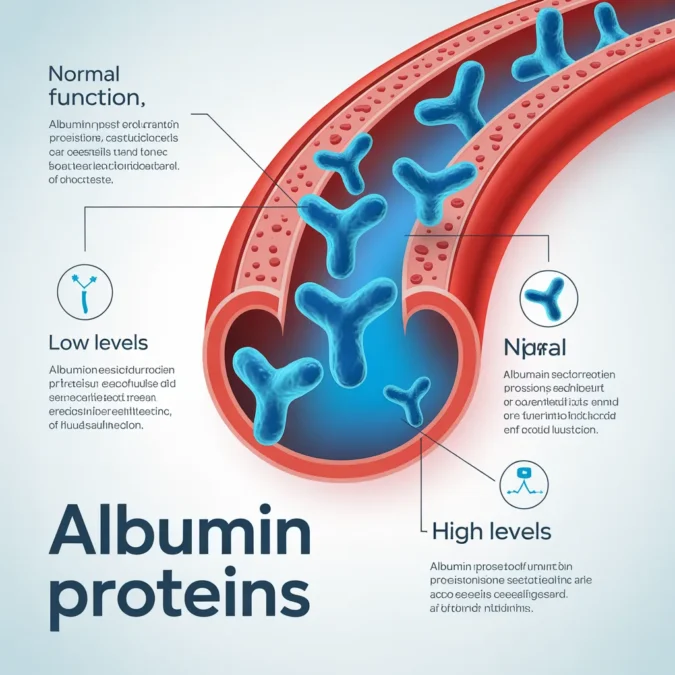

Albumin (referred to as “albumīns” in some languages) is one of the most important proteins found in human blood plasma, playing a central role in maintaining overall health and proper bodily function. Produced primarily by the liver, albumin accounts for a significant portion of the total protein in the bloodstream and is essential for regulating osmotic pressure, transporting hormones, vitamins, and drugs, and maintaining fluid balance between blood vessels and tissues. Without adequate levels of albumin, the body can experience a wide range of complications, making it a key marker often evaluated in medical tests.
Albumin’s primary function is to prevent fluid from leaking out of blood vessels by maintaining oncotic pressure, which is the force that keeps fluid within the circulatory system. This function is critical because any imbalance can lead to swelling, also known as edema, particularly in the legs, abdomen, or face. In addition to its structural role, albumin acts as a carrier protein, binding to various substances such as calcium, bilirubin, fatty acids, and certain medications, ensuring they are transported efficiently throughout the body. This multifunctional nature makes albumin indispensable for maintaining biochemical stability and supporting vital processes.
🧪 Albumin Blood Test and Normal Levels
A common way to measure albumin levels is through a blood test often included in routine health checkups or liver function panels. The albumin blood test provides insight into how well the liver is functioning and whether the body is receiving adequate nutrition. Normal albumin levels typically range between 3.5 and 5.0 grams per deciliter, although this range may vary slightly depending on the laboratory and individual health conditions. Values outside this range can indicate underlying health issues that may require further investigation.
Low albumin levels, medically known as Hypoalbuminemia, can result from several factors, including liver disease, kidney problems, malnutrition, or chronic inflammation. When the liver is unable to produce sufficient albumin, or when albumin is lost through urine due to kidney damage, levels in the blood decrease. This can lead to symptoms such as swelling, fatigue, muscle weakness, and delayed wound healing. In severe cases, low albumin levels may signal serious health conditions that require immediate medical attention.
On the other hand, high albumin levels are less common and are usually associated with dehydration or conditions that cause fluid loss. When the body loses water, albumin becomes more concentrated in the blood, resulting in elevated readings. While high albumin itself is not typically a disease, it may indicate underlying issues that need to be addressed, such as prolonged vomiting, diarrhea, or inadequate fluid intake.
🩺 Causes and Health Implications
The causes of abnormal albumin levels are often linked to major organ systems, particularly the liver and kidneys. Liver diseases such as cirrhosis or hepatitis can impair the body’s ability to produce albumin, while kidney disorders can cause albumin to leak into urine, reducing its concentration in the bloodstream. Additionally, conditions like severe infections, burns, or chronic illnesses can affect albumin levels by increasing protein breakdown or reducing synthesis.
Nutritional status also plays a critical role in maintaining healthy albumin levels. A diet lacking sufficient protein can lead to decreased albumin production, especially in vulnerable populations such as the elderly or individuals with eating disorders. Furthermore, gastrointestinal disorders that affect nutrient absorption can indirectly contribute to low albumin levels, highlighting the importance of a balanced and nutrient-rich diet.
💊 Treatment and Management
Treatment for abnormal albumin levels depends on the underlying cause rather than the albumin level itself. For individuals with hypoalbuminemia, addressing the root condition—such as improving liver function, treating kidney disease, or correcting nutritional deficiencies—is essential. In some cases, dietary changes that include increased protein intake may help restore normal levels. Medical interventions may also be required for more serious conditions, including medications or specialized therapies.
For individuals with high albumin levels due to dehydration, increasing fluid intake is usually sufficient to normalize levels. However, it is important to identify and address any underlying causes of fluid loss to prevent recurrence. Regular monitoring through blood tests can help ensure that albumin levels remain within a healthy range and provide early detection of potential health issues.
🌟 Importance of Albumin in Overall Health
Albumin is not just a laboratory value; it is a vital indicator of overall health and well-being. Its levels can provide valuable insights into liver function, kidney health, nutritional status, and the presence of chronic diseases. Because of its wide-ranging roles in the body, maintaining normal albumin levels is essential for preventing complications and supporting long-term health. Healthcare professionals often use albumin measurements as part of a broader diagnostic approach to assess and monitor various medical conditions.
Conclusion
Albumīns, or albumin, is a crucial protein that plays multiple roles in maintaining the body’s balance and functionality. From regulating fluid distribution to transporting essential substances, its importance cannot be overstated. Abnormal levels of albumin can signal underlying health issues, making regular monitoring and proper medical evaluation essential. By understanding the functions, causes, and implications of albumin levels, individuals can take proactive steps toward better health and well-being. Whether through proper nutrition, hydration, or medical care, maintaining healthy albumin levels is key to supporting overall bodily function.
FAQ Section
1. What is albumīns (albumin)?
Albumin is a protein made by the liver that helps maintain fluid balance and transport important substances in the blood.
2. What is the normal range of albumin?
Normal albumin levels typically range from 3.5 to 5.0 g/dL, depending on the laboratory.
3. What causes low albumin levels?
Low levels can be caused by liver disease, kidney problems, malnutrition, or chronic illness.
4. Can high albumin levels be dangerous?
High albumin is usually due to dehydration and is not typically dangerous, but it should be evaluated.
5. How can albumin levels be improved?
Improving diet, treating underlying conditions, and staying hydrated can help maintain normal albumin levels.