
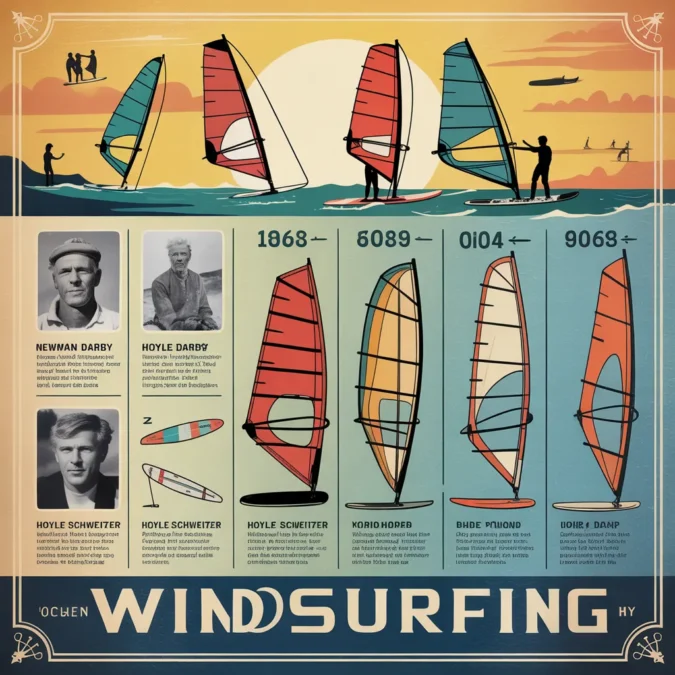

windsurfing invented is an exciting water sport that combines elements of sailing and surfing, allowing riders to glide across the water using wind power on a sail attached to a board. The invention of windsurfing is credited to innovative thinkers who wanted to merge the freedom of surfing with the technical control of sailing. The development of this sport is not just a simple invention story but a journey of experimentation, engineering creativity, and passion for water-based adventure that eventually transformed into a global recreational and competitive sport.
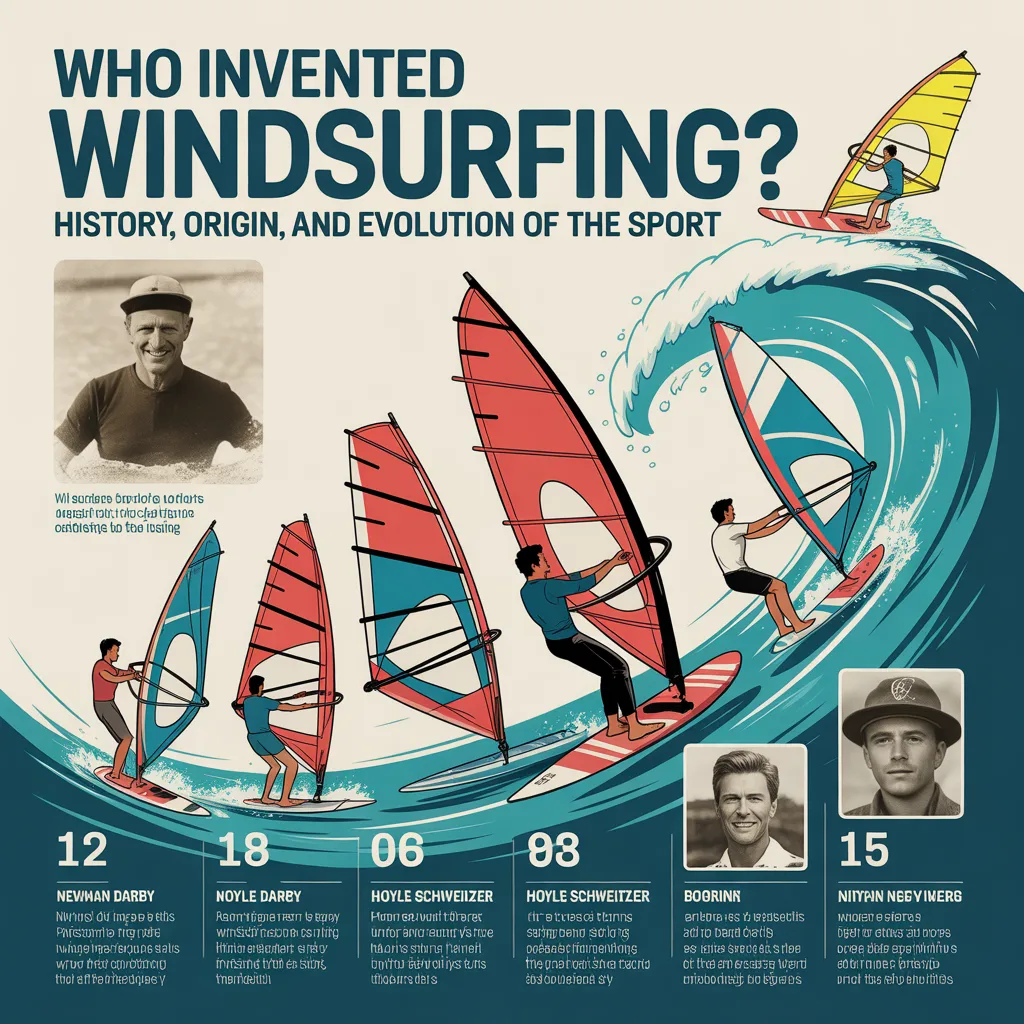
The invention of windsurfing is most commonly attributed to two American inventors, Jim Drake and Hoyle Schweitzer, who played a crucial role in developing the modern version of the sport during the late 1960s. Jim Drake, an aeronautical engineer, brought technical expertise and design precision, while Hoyle Schweitzer contributed business vision and practical sailing experience. Together, they created a workable design that combined a surfboard with a free-moving sail system, allowing riders to harness wind power while maintaining balance and direction on water. Their collaboration led to the first commercially successful windsurfing board, which helped introduce the sport to a global audience.
🌊 Origins and Early Development of Windsurfing
The concept of windsurfing did not emerge overnight; instead, it evolved through multiple experimental designs and ideas. Early versions of sail-powered boards existed before Drake and Schweitzer’s invention, but they were often unstable, difficult to control, or impractical for mass use. The breakthrough came when the two inventors refined the universal joint system, which allowed the sail to pivot freely in all directions. This innovation made the board easier to control and significantly improved balance, making the sport more accessible to beginners and recreational users.
During the 1970s, windsurfing quickly gained popularity, especially in coastal regions where wind and water conditions were ideal. The sport spread from the United States to Europe and other parts of the world, becoming a symbol of freedom, adventure, and modern water recreation. As equipment improved, windsurfing evolved from a niche hobby into a competitive sport with international championships and professional athletes.
🏄 Evolution into a Global Sport
As windsurfing grew in popularity, manufacturers began producing specialized boards and sails designed for different skill levels and water conditions. This led to the development of racing windsurfing, freestyle windsurfing, and wave riding disciplines. Each variation required different techniques, making the sport more dynamic and appealing to a wider audience. By the 1980s and 1990s, windsurfing had become a major competitive sport, even appearing in the Olympic Games, further solidifying its global recognition.
Technological advancements also played a major role in shaping modern windsurfing. Lightweight materials such as fiberglass, carbon fiber, and advanced sail fabrics improved performance and maneuverability. These innovations allowed athletes to perform complex tricks, reach higher speeds, and navigate challenging ocean waves with greater control. Today, windsurfing continues to evolve with hybrid designs and new equipment that make the sport faster, safer, and more accessible.
🌍 Cultural Impact and Popularity
Windsurfing has had a significant cultural impact, especially in coastal tourism destinations. It is often associated with a lifestyle of adventure, relaxation, and connection with nature. Many beach resorts and water sports centers around the world offer windsurfing lessons for beginners, making it one of the most popular introductory water sports. Its appeal lies in its combination of physical skill, balance, and interaction with natural wind forces, creating a unique experience that differs from motorized water sports.
Conclusion
The invention of windsurfing invented represents a remarkable blend of innovation, engineering, and passion for water sports. From the early experimental ideas to the refined designs created by Jim Drake and Hoyle Schweitzer, windsurfing has evolved into a globally recognized sport enjoyed by millions. Its growth reflects human creativity and the desire to harness natural forces in exciting and meaningful ways. Today, windsurfing continues to inspire athletes and adventure seekers around the world, maintaining its place as one of the most dynamic and influential water sports ever created.
FAQ Section
1. Who invented windsurfing?
Windsurfing is primarily credited to Jim Drake and Hoyle Schweitzer, who developed the modern version in the late 1960s.
2. When was windsurfing invented?
Windsurfing was developed in the late 1960s and became commercially popular in the 1970s.
3. Is windsurfing difficult to learn?
It can be challenging at first, but beginners can learn basic balance and steering with practice and proper instruction.
4. What equipment is needed for windsurfing?
A windsurfing board, sail, mast, and harness are the main pieces of equipment required.
5. Why is windsurfing popular?
It combines surfing and sailing, offering adventure, exercise, and a strong connection with natural wind and water conditions.