
Combat sports continue attracting millions of fans worldwide because they combine athletic competition, strategy, entertainment, storytelling, and emotional intensity into unforgettable sporting experiences. Among the many sports followed globally, boxing remains one of the most influential and historically important combat disciplines due to its legendary fighters, iconic rivalries, championship traditions, and massive international audience. As digital media has expanded over the past two decades, boxing coverage has evolved significantly, moving beyond television broadcasts and newspapers into highly interactive online platforms capable of delivering real-time news, analysis, rankings, and community discussions.
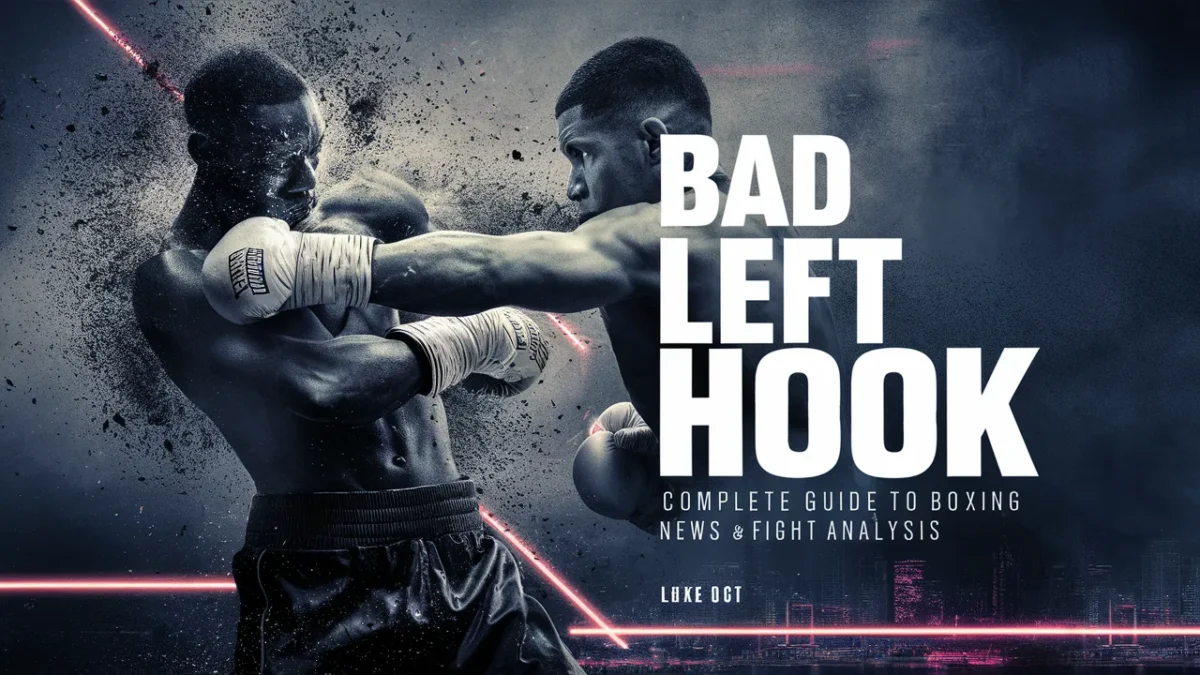
One of the recognized names within modern online boxing coverage is Bad Left Hook. The platform has become well known among boxing and mixed martial arts fans for providing fight analysis, breaking news, event coverage, predictions, rankings, and discussions surrounding major combat sports events. Modern audiences increasingly rely on digital sports media because online platforms offer instant updates, expert opinions, fan interaction, and detailed analysis unavailable through traditional media formats.
The growth of online combat sports journalism reflects broader changes occurring within digital communication and media consumption. Fans no longer wait for newspapers or scheduled television programs to receive updates about fighters, title bouts, or rankings. Instead, they access information instantly through websites, social media platforms, podcasts, live streams, and mobile applications. This transformation has dramatically increased the importance of sports-focused online media brands capable of delivering fast, reliable, and engaging coverage.
Another important reason platforms like Bad Left Hook continue growing is audience participation. Modern sports communities thrive on interaction through comments, forums, live discussions, predictions, debates, and social media engagement. Fans enjoy sharing opinions about controversial decisions, fighter performances, training strategies, and upcoming matchups, creating highly active digital communities around combat sports.
Technology has also reshaped how sports journalism operates. Mobile devices, live updates, video analysis, social sharing tools, and recommendation algorithms now influence how fans discover and consume sports content. Audiences expect real-time updates, detailed breakdowns, and expert analysis accessible from anywhere in the world.
This article explores everything related to Bad Left Hook, including its role in boxing journalism, digital sports media, fight analysis, audience engagement, combat sports coverage, SEO visibility, and the future of online boxing content.
The Rise of Digital Boxing Media
Boxing journalism has evolved dramatically because internet technology transformed how sports information reaches global audiences. In previous decades, fans depended heavily on television networks, newspapers, and radio broadcasts for updates about major fights and championship events. Today, digital platforms dominate sports media because they provide instant coverage and continuous engagement.
Bad Left Hook reflects this broader evolution of sports journalism where online platforms combine reporting, analysis, community discussion, and multimedia content into accessible digital experiences.
One major reason online sports platforms became successful is speed. Fans now expect instant updates regarding fight announcements, injuries, rankings, press conferences, weigh-ins, and post-fight reactions. Websites capable of delivering fast and reliable information often build stronger audience loyalty and credibility.
Another important factor is accessibility. Modern audiences consume sports content through smartphones, tablets, laptops, and smart televisions. Responsive websites and mobile-friendly platforms therefore play major roles in audience retention and digital engagement.
Social media has also transformed boxing media because clips, interviews, highlights, and discussions spread globally within minutes. Platforms covering combat sports effectively often achieve stronger online visibility through audience sharing and engagement.
Bad Left Hook and Combat Sports Coverage
Bad Left Hook gained attention because it provides detailed coverage of boxing and mixed martial arts events while maintaining strong community interaction. Modern sports fans seek more than basic reporting because they want analysis, predictions, rankings, and strategic breakdowns that improve understanding of upcoming fights.
Fight analysis remains especially important because combat sports involve complex tactical decisions, conditioning strategies, defensive systems, punching accuracy, movement patterns, and psychological preparation. Platforms capable of explaining these details often attract dedicated audiences interested in deeper sports knowledge.
Another defining feature of modern combat sports coverage is event storytelling. Fans enjoy learning about fighter backgrounds, rivalries, training camps, championship journeys, and personal motivations because these narratives increase emotional investment in major fights.
Digital boxing media also benefits from constant event schedules. Title fights, undercards, promotional announcements, rankings updates, and contract negotiations generate continuous discussion throughout the year.
As global interest in boxing and MMA continues growing, online combat sports journalism remains an increasingly important part of sports entertainment culture.
Why Boxing Fans Follow Online Sports Platforms
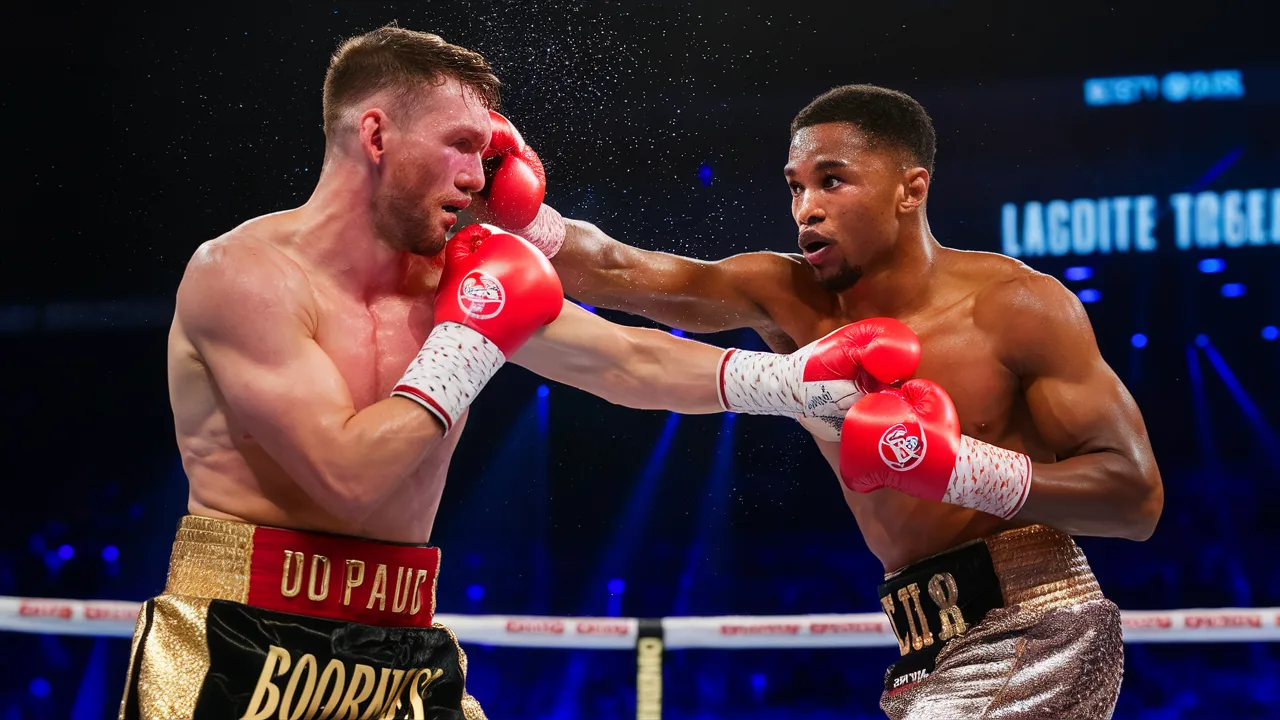
Modern sports fans rely heavily on digital platforms because they provide fast, convenient, and interactive access to information. Online combat sports media allows audiences to stay updated on breaking news while also participating in discussions with other fans worldwide.
One major reason boxing fans follow websites like Bad Left Hook is expert analysis. Fans often seek professional opinions regarding fight outcomes, strategic advantages, judging controversies, and championship rankings.
Community engagement also plays a major role in digital sports popularity. Online discussions create environments where fans debate predictions, compare fighters, analyze techniques, and share reactions during live events.
Another important factor is accessibility. Digital platforms allow fans to follow combat sports from virtually any location using smartphones and internet connectivity.
Multimedia integration has further improved audience engagement because articles now include videos, interviews, social posts, and fight highlights that enhance overall user experience.
Boxing Journalism in the Digital Era
The digital era transformed sports journalism by increasing competition, accelerating information distribution, and changing audience expectations. Traditional reporting focused primarily on delivering information, while modern sports journalism emphasizes analysis, speed, multimedia storytelling, and audience interaction.
Bad Left Hook reflects these changes because online combat sports media now combines written reporting with video content, podcasts, social media interaction, and live commentary.
Search engine optimization also became extremely important because sports websites compete for visibility within highly competitive search environments. Keywords related to boxing news, fight predictions, rankings, and fighter analysis help attract organic traffic from search engines.
Long-form articles often perform especially well because detailed analysis satisfies audience curiosity and increases reading time. Search engines frequently prioritize informative content capable of answering user questions effectively.
Digital sports journalism also depends heavily on credibility because audiences expect accurate reporting and trustworthy analysis. Platforms capable of maintaining reliability often achieve stronger long-term audience loyalty.
Technology and Sports Media Innovation
Technology continues reshaping sports media through artificial intelligence, mobile accessibility, social sharing systems, live streaming, and personalized recommendations. Modern audiences expect real-time updates and seamless user experiences across multiple digital devices.
Artificial intelligence increasingly influences content recommendations by suggesting articles, highlights, and fight coverage based on user preferences and viewing history.
Cloud computing and streaming technology also improved accessibility by allowing sports platforms to distribute multimedia content globally without major delays.
Mobile technology remains especially important because many fans follow boxing events through smartphones during live broadcasts and social media discussions.
Data analytics further transformed combat sports journalism because advanced statistics now support detailed fighter comparisons, punch analysis, and performance evaluations.
The Future of Online Boxing Coverage
The future of digital boxing journalism will likely involve deeper integration of artificial intelligence, interactive media, advanced analytics, and immersive viewing experiences. Sports audiences increasingly expect personalized content, live engagement, and multimedia storytelling.
Virtual reality and augmented reality technologies may eventually create more immersive sports experiences where fans can interact with live fight environments digitally.
Podcasting and video-based analysis are also expected to continue growing because audiences increasingly prefer multimedia content formats alongside traditional written journalism.
As combat sports continue attracting international audiences, digital platforms such as Bad Left Hook may remain important sources for fight coverage, rankings, analysis, and community interaction.
Conclusion
Bad Left Hook represents the growing influence of digital sports journalism within modern boxing and combat sports culture. As audiences increasingly rely on online platforms for news, analysis, rankings, and community discussions, digital media continues reshaping how fans experience sports worldwide.
The rise of online combat sports platforms reflects broader technological changes involving accessibility, mobile connectivity, multimedia integration, and audience participation. Fans today expect real-time updates, expert analysis, and interactive engagement capable of enhancing their understanding of major boxing and MMA events.
As technology continues evolving through artificial intelligence, live streaming, advanced analytics, and personalized recommendations, online sports journalism will likely become even more influential in the future of combat sports entertainment.
Bad Left Hook ultimately reflects the continuing evolution of boxing media and the expanding role of digital platforms within global sports culture.
Frequently Asked Questions (FAQ)
What is Bad Left Hook?
Bad Left Hook is an online combat sports media platform focused on boxing news, fight analysis, rankings, and MMA coverage.
Why is Bad Left Hook popular among boxing fans?
It provides detailed analysis, breaking news, predictions, rankings, and interactive community discussions for combat sports audiences.
Does Bad Left Hook cover MMA as well as boxing?
Yes, the platform covers both boxing and mixed martial arts events and discussions.
Why is digital sports journalism growing rapidly?
Digital platforms provide instant updates, accessibility, multimedia content, and audience interaction unavailable in traditional media.
How does SEO help sports media websites?
SEO improves search visibility and helps sports platforms attract organic traffic related to fights, rankings, and breaking news.
What is the future of online boxing coverage?
The future will likely include more multimedia storytelling, AI-driven recommendations, advanced analytics, and immersive digital experiences for sports fans.