

In today’s digital world, where information is shared instantly across platforms, the issue of online privacy has become more important than ever. One term that has gained attention in recent times is horny leak, often associated with the unauthorized sharing of private or sensitive content. While curiosity may drive people to search for such terms, it is essential to understand the deeper implications behind them. These situations highlight serious concerns about privacy violations, consent, and the ethical responsibilities of internet users. This article takes a responsible and informative approach to exploring the concept of horny leak, focusing on its meaning, the risks involved, and how individuals can protect themselves in an increasingly connected world.
What Does “Horny Leak” Mean?
The term horny leak is commonly linked to situations where private or explicit content is shared without the consent of the individual involved. Rather than focusing on the content itself, it is more important to view this issue through the lens of privacy and digital rights. Unauthorized sharing of personal material is not only unethical but can also have serious legal consequences. It represents a breach of trust and highlights the darker side of online behavior, where individuals may exploit technology to distribute content irresponsibly. Understanding this context is essential for promoting awareness and encouraging more responsible internet usage.
Why Content Leaks Are Increasing
The rise of content leaks, including those associated with terms like horny leak, can be attributed to several factors, including the widespread use of social media, cloud storage, and instant messaging platforms. As more people share personal moments online, the risk of data breaches and unauthorized access increases. Additionally, the anonymity provided by the internet can sometimes encourage harmful behavior, as individuals may feel less accountable for their actions. This growing trend underscores the importance of digital literacy and the need for stronger security measures to protect personal information.
Privacy and Ethical Concerns
One of the most critical aspects of this topic is the issue of consent. Sharing private content without permission violates fundamental rights and can have long-lasting emotional, social, and professional consequences for those affected. Ethical internet usage requires respect for others’ privacy and an understanding of the impact that online actions can have in real life. From a broader perspective, addressing these concerns is essential for creating a safer and more respectful digital environment. Both users and platforms have a role to play in preventing the spread of harmful content and promoting responsible behavior.
How to Protect Yourself Online
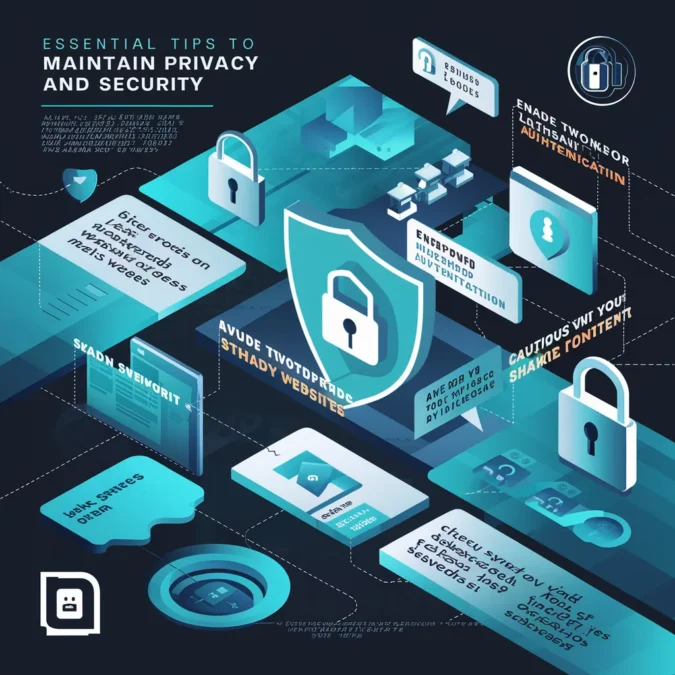
Protecting your privacy in the digital age requires a proactive approach. This includes using strong passwords, enabling two-factor authentication, and being cautious about the type of content you share online. It is also important to regularly review privacy settings on social media platforms and avoid sharing sensitive information with untrusted sources. Educating yourself about common online threats and staying informed about best practices can significantly reduce the risk of becoming a victim of content leaks. By taking these steps, individuals can better safeguard their personal information and maintain control over their digital presence.
The Role of Awareness and Education
Raising awareness about the risks associated with content leaks is a crucial step in addressing the issue. Educational initiatives can help individuals understand the importance of consent, privacy, and ethical behavior online. By fostering a culture of respect and responsibility, it is possible to reduce the prevalence of harmful practices and create a more positive digital environment. Content creators and websites also have a responsibility to provide accurate and informative content that encourages safe and ethical online behavior.
Conclusion
The term horny leak may attract attention due to its controversial nature, but it ultimately highlights serious issues related to privacy, consent, and digital responsibility. Rather than engaging with harmful or unethical content, it is important to focus on understanding the risks and promoting safer online practices. By prioritizing awareness, education, and respect for others, individuals can contribute to a more secure and ethical digital landscape. From an SEO perspective, creating informative and responsible content not only improves search rankings but also builds trust and credibility with your audience, ensuring long-term success.
FAQs About Horny Leak
1. What does horny leak mean?
It generally refers to the unauthorized sharing of private or sensitive content online.
2. Is it legal to share leaked content?
No, sharing private content without consent can lead to serious legal consequences.
3. Why are content leaks becoming more common?
Due to increased digital sharing, weak security practices, and the widespread use of online platforms.
4. How can I protect myself from leaks?
Use strong passwords, enable security features, and avoid sharing sensitive content online.
5. Is it safe to search for such content?
It is better to avoid engaging with harmful or unethical material and focus on responsible internet usage.