
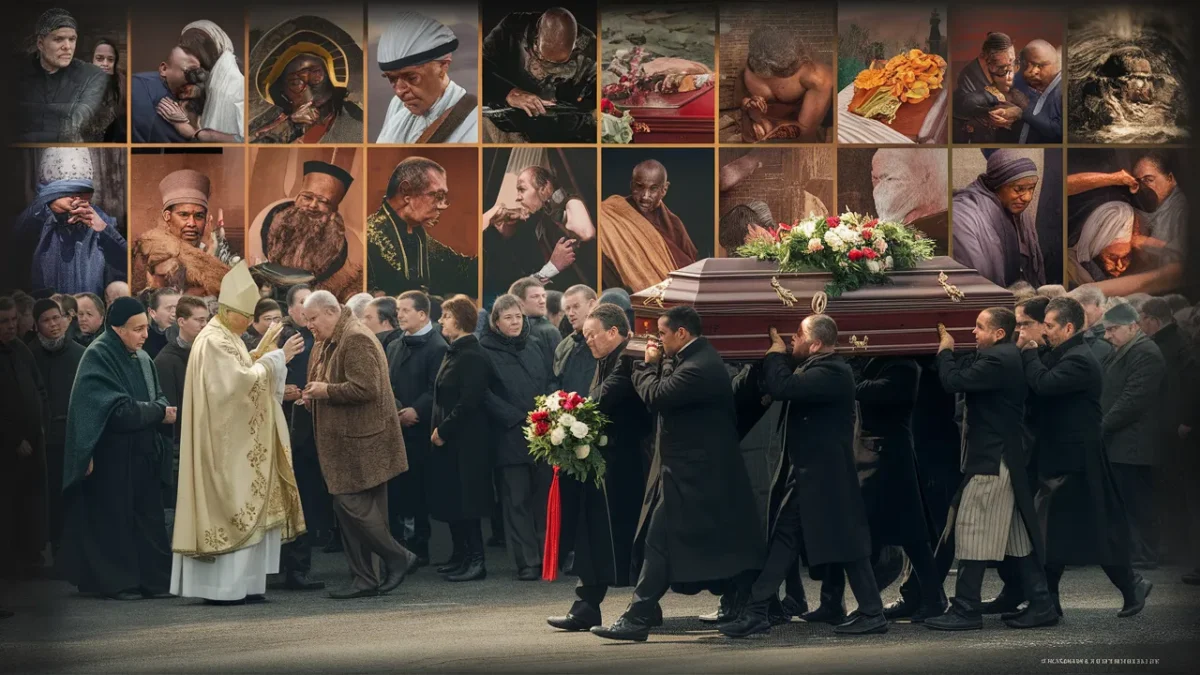

Throughout human history, societies around the world have developed traditions and ceremonies to honor the deceased and provide respectful final arrangements after death. Funeral practices vary greatly depending on culture, religion, geography, and historical influence, yet one concept remains widely recognized across many civilizations: interment. Many people search for the meaning of interment to better understand funeral customs, burial traditions, memorial practices, and the importance of honoring loved ones after death.
Interment is deeply connected to cultural identity, religious belief, emotional healing, and historical tradition. Across centuries, communities have viewed burial and memorial ceremonies as important expressions of respect, remembrance, and spiritual significance. Modern funeral services continue preserving these traditions while adapting to changing social values, environmental concerns, and personal preferences.
The growing interest in topics related to interment reflects broader public curiosity about funeral planning, memorial customs, genealogy, and cultural history. People often search for information regarding interment services when organizing funerals, researching family history, or learning about religious and cultural traditions associated with burial practices.
This article explores everything related to interment, including its meaning, historical background, cultural significance, funeral procedures, modern practices, religious perspectives, and future trends in memorial traditions.
What Is Interment?
Interment refers to the act of placing a deceased person in a final resting place, most commonly through burial in the ground, entombment in a mausoleum, or placement of cremated remains within a memorial structure. The term is commonly associated with funeral ceremonies, memorial traditions, and respectful burial practices.
The word interment comes from Latin roots connected to the idea of placing within the earth or a resting place. Over time, the term became widely used in funeral and cemetery terminology to describe the formal process of burial or placement of remains.
Interment is often considered an important part of the grieving and remembrance process. Families and communities frequently gather during interment ceremonies to honor the deceased, express emotions, share memories, and provide spiritual support to one another.
Although burial is the most traditional form of interment, modern practices may also include cremation interment, above-ground entombment, memorial gardens, or placement within columbariums designed for cremated remains.
The meaning of interment extends beyond physical burial because it also represents cultural values, emotional closure, religious faith, and historical continuity across generations.
History of Interment Practices
The history of interment dates back thousands of years and reflects the evolution of human civilization, spirituality, and cultural identity. Archaeological discoveries show that early societies practiced burial rituals long before written history developed.
Ancient civilizations often viewed interment as a sacred act connected to beliefs about the afterlife, spiritual transformation, or ancestral respect. Egyptians famously constructed elaborate tombs and pyramids because they believed burial preparation influenced the soul’s journey after death.
In ancient Greece and Rome, burial ceremonies included rituals, offerings, and memorial gatherings designed to honor the deceased and maintain family legacy. Many cultures believed proper interment was essential for spiritual peace and social respect.
Religious traditions strongly influenced historical burial practices. Christianity, Islam, Judaism, Hinduism, Buddhism, and many indigenous belief systems developed unique funeral customs connected to spiritual teachings and cultural values.
Medieval Europe saw the expansion of churchyard burials, while later centuries introduced public cemeteries and organized memorial systems. As urban populations increased, burial practices evolved to address public health, land management, and social organization.
Modern interment practices continue combining historical tradition with contemporary preferences, technological advancement, and changing cultural attitudes regarding memorialization and funeral planning.
Cultural Importance of Interment
Interment holds deep cultural significance because funeral traditions often reflect a society’s beliefs about life, death, family, spirituality, and remembrance. Across cultures, burial ceremonies provide emotional structure during periods of grief and loss.
One major cultural purpose of interment is honoring the memory of the deceased. Families and communities gather to celebrate a person’s life, achievements, relationships, and contributions while expressing collective support during mourning.
Interment also strengthens family and community bonds. Funeral ceremonies create opportunities for shared remembrance, emotional healing, and spiritual reflection among relatives and friends.
Religious beliefs frequently influence interment traditions. Many faiths teach that respectful burial practices hold spiritual meaning connected to the soul, resurrection, reincarnation, or eternal peace.
Historical continuity is another important aspect of interment. Cemeteries, memorials, and family burial sites preserve cultural heritage and genealogical history across generations.
Modern societies continue valuing interment because it provides dignity, remembrance, and emotional closure during one of life’s most difficult experiences.
Types of Interment
There are several forms of interment used around the world depending on cultural preference, religion, environmental concerns, and personal choice.
Ground Burial
Ground burial remains the most traditional and widely recognized form of interment. The deceased is placed within a casket and buried in a cemetery or designated burial site.
Ground burial ceremonies often include religious services, prayers, family gatherings, and memorial rituals.
Mausoleum Entombment
Entombment involves placing remains within a mausoleum or above-ground structure. This form of interment is common in some cultures and family memorial traditions.
Mausoleums may serve as private family resting places or public memorial structures.
Cremation Interment
Cremation has become increasingly popular in many countries due to cost considerations, environmental awareness, and personal preference.
After cremation, ashes may be buried, placed in an urn, stored within a columbarium, or scattered in meaningful locations according to legal and cultural guidelines.
Natural or Green Burial
Natural burial practices focus on environmentally friendly interment methods that reduce ecological impact. These burials often avoid chemical preservation and use biodegradable materials.
Green burial movements continue growing as environmental sustainability becomes more important globally.
The Interment Process
The interment process typically involves several stages designed to ensure respectful handling of the deceased and support for grieving families.
First, funeral arrangements are organized according to family wishes, religious traditions, and legal requirements. Families may choose burial, cremation, or entombment depending on personal preference.
Funeral services often include ceremonies, prayers, music, speeches, or memorial gatherings before interment occurs. These events provide emotional support and opportunities for remembrance.
During interment, the remains are placed in the chosen resting location. Religious leaders, funeral directors, or family members may participate in final prayers or ceremonial traditions.
After burial or placement, families often continue memorial practices through anniversaries, gravestones, flowers, and remembrance gatherings.
Modern funeral industries help coordinate logistics, legal documentation, transportation, cemetery arrangements, and memorial services during the interment process.
Religious Perspectives on Interment
Religious beliefs strongly influence interment practices around the world. Different faith traditions provide specific teachings regarding burial customs, funeral ceremonies, and treatment of the deceased.
Christian traditions commonly emphasize burial or memorial services connected to resurrection beliefs and spiritual remembrance.
Islamic funeral practices prioritize respectful burial as quickly as possible after death while following specific purification and prayer rituals.
Jewish traditions also emphasize respectful burial and mourning customs focused on dignity, remembrance, and community support.
Hindu practices frequently involve cremation followed by ceremonial rituals connected to spiritual liberation and reincarnation beliefs.
Buddhist traditions may include cremation or burial alongside prayers and meditation focused on peace and spiritual transition.
Religious diversity demonstrates how interment remains deeply connected to cultural identity and spiritual understanding across societies.
Modern Trends in Interment
Modern interment practices continue evolving due to technological advancement, environmental awareness, and changing social values.
Cremation rates have increased significantly in many countries because of affordability, flexibility, and changing attitudes regarding memorial traditions.
Digital memorialization has also become more common. Families now create online memorial pages, virtual tributes, and digital archives to preserve memories and connect distant relatives.
Green burial movements reflect increasing environmental awareness and interest in sustainable funeral practices.
Personalized memorial ceremonies are another growing trend. Families increasingly choose customized services that reflect the personality, interests, and values of the deceased.
Technology continues influencing funeral planning, cemetery management, and memorial communication within modern interment industries.
Conclusion
Interment remains one of humanity’s most important cultural and emotional traditions. Across history and civilizations, societies have developed burial and memorial practices designed to honor the deceased, support grieving families, and preserve spiritual and cultural values.
The meaning of interment extends far beyond physical burial because it represents remembrance, dignity, emotional healing, and historical continuity. Whether through traditional burial, cremation, entombment, or environmentally conscious alternatives, interment continues providing meaningful closure for families and communities worldwide.
Modern funeral practices continue evolving alongside technological advancement, environmental awareness, and changing social preferences. Despite these changes, the core purpose of interment remains deeply connected to respect, memory, and human compassion.
As societies continue balancing tradition and modernization, interment will likely remain an essential part of cultural identity and memorial practice for future generations.
Frequently Asked Questions (FAQ)
What is interment?
Interment is the act of placing a deceased person in a final resting place through burial, entombment, or cremation placement.
What is the difference between burial and interment?
Burial is one type of interment. Interment is a broader term that includes burial, entombment, and placement of cremated remains.
Why is interment important?
Interment provides respectful final arrangements, emotional closure, cultural tradition, and memorial remembrance for families and communities.
What are common types of interment?
Common types include ground burial, mausoleum entombment, cremation interment, and natural or green burial.
Is cremation considered interment?
Yes, placing cremated remains in a memorial location or burial site is considered a form of interment.
How do religions influence interment practices?
Religions often provide specific teachings regarding funeral ceremonies, burial customs, and treatment of the deceased.
What are modern trends in interment?
Modern trends include cremation, green burial, personalized memorial services, and digital remembrance platforms.